
Overview
Rebuilt the information architecture for a US medical association's website around medical focus areas rather than internal department structure, backed by a full technical SEO audit.
Who This Is For
Medical associations, healthcare membership bodies, or professional organisations with 500-5,000 members managing complex digital content across member services, clinical resources, and public health information. Typically operating a website where content has grown without a coherent information architecture, creating poor findability for members, practitioners, and researchers.
The Challenge
The association's website organised content the way the internal organisation was structured, rather than how physicians and members actually searched for clinical and membership information by medical focus and specialty.
Our Approach
Ran a full site crawl and technical SEO audit (page-by-page H1/H3 tag analysis, search-ranking summary), then rebuilt the site's taxonomy and tree structure around medical focus areas rather than department ownership. A parallel search UX/UI discovery workstream looked at how members actually searched the site, feeding into a content matrix mapping every major content type to its new place in the structure.
Impact
An information architecture grounded in two things at once: what the technical SEO audit showed about how the existing site actually performed, and what the search UX discovery work showed about how members actually looked for things, rather than a redesign based on the association's own internal org chart.
Delivered while employed at Making Waves (later NoA Ignite), leading content and SEO work. Any public information referenced here is used for identification and does not imply endorsement.
Topics
Delivered Norwegian-to-English translation and QA review of SpareBank 1 Markets' website content, covering their research, corporate finance and capital markets service lines.
Built a data-driven content and channel strategy for Econa, Norway's professional association for economists and business graduates, building on an already-delivered website redesign to reduce member churn.
Built a CRM-connected advertising sales platform for a leading Nordic digital marketplace. Connected audience data, targeting options, advertising formats, pricing and sales contacts into a single self-service portal for advertisers and media agencies, replacing a fragmented sales experience with a repeatable path from research to qualified inquiry.
CMS Architecture for AI-Driven Enterprises
Choosing and Configuring the Right Content Platform for Intelligent Operations
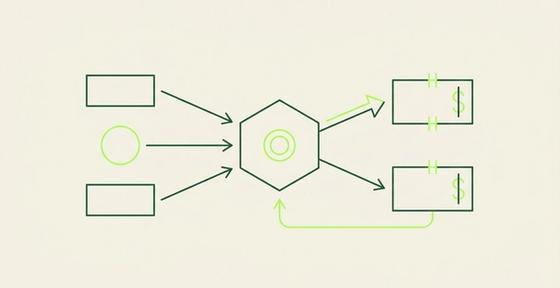
Dries Buytaert: The cost of running multiple CMS platforms
Dries Buytaert argues that running multiple CMS platforms creates hidden operational costs through duplicated integrations, security policies, expertise, and governance. He proposes standardizing on Drupal while using different operating models—SaaS (Acquia Source) for speed and PaaS (Acquia Cloud) for control—to preserve flexibility while reducing fragmentation.