Discovery, twice
A prospect describes their use case on a form, then again to a development rep, then again to an account executive, each time a little less patiently.

Not every team has every one of these. They are the situations that usually prompt the conversation.
A prospect describes their use case on a form, then again to a development rep, then again to an account executive, each time a little less patiently.
Marketing pages describe capabilities in broad terms. Sales spends the first call narrowing them, and occasionally retracting one.
Sales declines enquiries as a poor fit, but the reason is rarely recorded, so marketing keeps attracting the same kind.
We follow one use case from enquiry to an accepted or rejected opportunity, with the reason recorded either way.
An anonymised scenario drawn from patterns across our past work, showing how this kind of problem gets solved. Named projects follow further down the page.
We work on one use-case path inside the tools you already run. We do not take over your RevOps function or replace your CRM.
Scope, fee, timing and how much of your team's time it needs are agreed in writing before any work starts.
During scoping we agree a baseline for each measure from your own records, then compare at the end. We do not promise a percentage before we have seen the work.
Share of enquiries reaching sales with the agreed fields filled.
From enquiry to an accept or reject decision.
Questions sales asks that the buyer already answered.
Share of rejected enquiries with a reason recorded.
Work by the people behind ECM.DEV, chosen because the workflow is similar, not because the sector is identical. Each case study says how it was delivered, and client names do not imply endorsement.
An inbound model connecting search, expert content and campaign paths to qualified sales leads, for a specialist software provider with technical buyers.
Read the case studyLead scoring and attribution reporting designed across marketing automation, analytics and CRM, so a technology manufacturer could see which enquiries turned into revenue.
Read the case study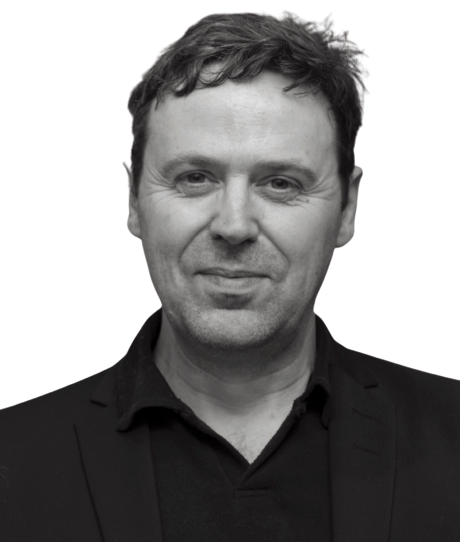
Founder · Fractional content operations lead
I help your team turn specialist knowledge into clear, approved material and repeatable workflows. That means connecting the people, information and systems needed to keep content useful across buying journeys and markets.
Start with one defined project. If you need continued support, I can lead agreed priorities, coordinate contributors and keep approvals and improvements moving, with a scope and rhythm that fit your team.
A scoping conversation is about the work in front of you: which workflow, which material, who needs to be involved. If a first project makes sense, you receive a written scope and fee. If it does not, we say so.
A completed project with nothing further is a good outcome. Ongoing support is there if you want it, not a condition of starting.