
Overview
Led content strategy and migration planning for enterprise CMS migrations to Sitecore and Optimizely platforms, managing large content estates requiring audit, rationalisation and restructuring before migration. Delivered content modelling, metadata frameworks, information architecture, redirect strategy for SEO continuity, editorial workflow design, and multilingual localisation architecture on the target platforms.
Who This Is For
Professional associations, classification societies, industrial organisations, or B2B enterprises with 500-10,000 employees undertaking a migration from a legacy CMS to an enterprise digital experience platform such as Sitecore, Episerver, or Optimizely. Common traits: large content estates requiring audit and rationalisation, complex information architecture tied to legacy platform, regulatory or compliance constraints on content, and limited in-house capacity to manage migration alongside business-as-usual publishing.
The Challenge
The organisation current CMS is reaching end of life, or no longer fits the complexity of the content operation. A migration to an enterprise platform has been approved, but the content challenges are substantial. The content estate is large, inconsistently structured, and only partially documented. There is no agreed information architecture for the target platform, no content model, and no migration approach. The risk is high: a poor migration will reproduce the problems of the legacy system on an expensive new platform.
What We Propose
Content Audit & Rationalisation - Full inventory of existing content estate identifying what to migrate, what to archive, and what to retire. Information Architecture - Navigation and content structure designed for the target platform based on user needs and business objectives. Content Modelling - Structured content models, metadata frameworks, and taxonomy aligned to the capabilities of the target CMS. Migration Approach & Planning - Phased migration plan covering content preparation, URL strategy, redirect mapping, and SEO continuity. Editorial Workflow Design - Publishing roles, approval workflows, and governance standards configured for the new platform. Localisation Framework - Multilingual architecture and workflow design for organisations publishing in multiple languages.
Why It Matters
Platform fit - A CMS configured for how the organisation actually works. Content quality - Rationalised, structured content that arrives in the new platform ready to use. SEO continuity - Redirect strategy and URL architecture that preserves search equity through the transition. Reduced risk - A governed migration approach that maintains publishing operations throughout.
Over several years, delivered repeated cycles of content strategy, content production and content localisation in up to 20 European and Asian languages for a global industry association serving the seafood sector. Covered web content across three CMS platforms simultaneously, localisation of reports, infographics, video and complex presentations, and multilingual SEO for organic discovery across priority export markets.
Developed a data operations strategy for a professional association to improve member and non-member insights and enable more effective marketing investment decisions. Designed a secure, privacy-compliant data architecture connecting CRM, web analytics and event systems, and implemented data governance processes aligned to GDPR obligations.
Developed a CRM activation strategy and workflow redesign for the advertising sales team of a Nordic digital marketplace, covering both B2B advertiser and B2C platform relationships. Redesigned sales workflows, integrated content and pitch assets into CRM stages, and implemented a pipeline governance model to improve revenue forecasting and sales team adoption.
CMS Architecture for AI-Driven Enterprises
Choosing and Configuring the Right Content Platform for Intelligent Operations
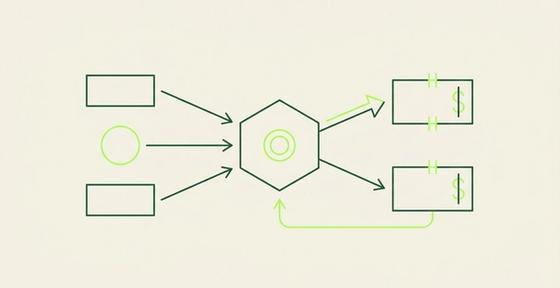
Dries Buytaert: The cost of running multiple CMS platforms
Dries Buytaert argues that running multiple CMS platforms creates hidden operational costs through duplicated integrations, security policies, expertise, and governance. He proposes standardizing on Drupal while using different operating models—SaaS (Acquia Source) for speed and PaaS (Acquia Cloud) for control—to preserve flexibility while reducing fragmentation.