
Overview
Built a bilingual project controller covering intake, estimation, procurement, finance, risk and change across a seven-stage lifecycle, with a rules-based project coach and a structured data model designed for AI agents.
Who This Is For
Interior architecture, design and fit-out studios that run many projects at once, from brief to installation. This case is most useful if:
- leads arrive without the information needed to scope a project
- estimates, budgets and margins live in spreadsheets
- procurement, invoicing and change orders are tracked by email
- you want to use AI on project data, but the data is not yet structured
The Challenge
The studio managed projects across brief, design, procurement, installation and handover with a mix of spreadsheets, email and an accounting system that knew nothing about projects, scope or change orders.
It needed one structured project spine, from first enquiry to final invoice, accurate enough to estimate from and solid enough to put AI on top of.
Our Approach
We built a bilingual project controller that structures every project end to end, as the data foundation for AI assistance.
- Structured intake: website enquiries arrive through a secured API, and a lead cannot become a project until 16 required fields are complete.
- Seven-stage lifecycle: brief, concept, design development, specification, procurement and production, installation, and handover, with six staff roles and a customer portal for comments, sign-off and uploads.
- Estimation and margin: item-level pricing from unit cost, quantity and target margin, through discounts and VAT, with client budget, design estimate and approved budget tracked side by side.
- Procurement and finance: RFQs sent from the system, quotes compared, purchase orders blocked until approved, and 13 billing triggers telling staff when to invoice.
- Risk and change: a likelihood-by-impact risk register and a full change-order lifecycle.
- Project Coach and AI: a coaching engine applies 13 rules to flag what each project needs next, with deep links to fix it, and in-browser machine learning removes image backgrounds for specification sheets. The structured data model (60 tables) is designed so LLM agents can be layered on next.
Impact
One source of truth for every project. Leads, scope, estimates, procurement, invoices, risks and changes now live in one model instead of spreadsheets and inboxes.
Margins visible before they slip. Item-level estimating and approved budgets show the commercial picture at every stage, not after the final invoice.
AI-ready by design. Structured, rule-checked data is what makes AI assistance trustworthy. The coach and ML features are the first layer, with agent modules built on the same foundation.
AI cannot manage a project that only exists in email. Structure comes first; then the model has something real to work with.
Built and delivered by ECM.DEV. Client details are withheld at the client's request.
Topics
Delivered Norwegian-to-English translation and QA review of SpareBank 1 Markets' website content, covering their research, corporate finance and capital markets service lines.
Built a data-driven content and channel strategy for Econa, Norway's professional association for economists and business graduates, building on an already-delivered website redesign to reduce member churn.
Built a CRM-connected advertising sales platform for a leading Nordic digital marketplace. Connected audience data, targeting options, advertising formats, pricing and sales contacts into a single self-service portal for advertisers and media agencies, replacing a fragmented sales experience with a repeatable path from research to qualified inquiry.
The Content Infrastructure Imperative
Why AI Amplifies Every Flaw in Your Content Operating System
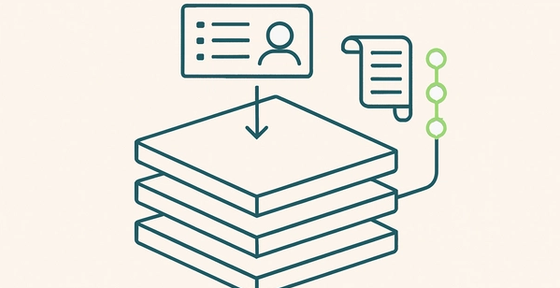
What agents need to operate your content
The article discusses the infrastructure and capabilities required for AI agents to effectively manage content operations in enterprise environments, focusing on the practical requirements developers must understand when building systems that automate content workflows.
Content-to-Pipeline Check
See how far your content connects to sales, and how much of what sales learns comes back.