
Overview
Designed the product-attribute model behind Jotun.com's B2B product-finding experience, drawing structured data from Tridion, Chemmate and MyJotun into filtering, clustering and search built around real customer segments.
Who This Is For
Global paints, coatings, or specialty chemicals manufacturers with 5,000-50,000+ employees managing complex product catalogues for professional and trade customers. Typically seeking to improve digital product selection experiences by connecting web content with product information management systems to help customers find and specify the right products.
The Challenge
Jotun's B2B buyers, across segments as different as shipping, energy, infrastructure and industrial, needed to find the right coating product on jotun.com without already knowing Jotun's own product naming. Product data lived across several systems (Tridion, Chemmate, MyJotun) with no single model connecting technical specifications, industry relevance and how a buyer would actually search.
Our Approach
Defined product attributes as tangible (size, colour, weight, product design) and intangible (price, quality, aesthetics), then mapped how each should be sourced: Tridion and Chemmate for technical performance and application specs, a Master Product Sheet and Jotun Navigation Sheet for industry-to-solution and industry-to-product relationships, value propositions and USPs. Ran a structured filter-definition exercise against Jotun's primary and secondary customer personas (Shipping, Energy, Infrastructure, Industrial), covering how products needed to be filterable by technology type, geographic availability, industry, brand or family, and aesthetic effect, feeding directly into the site's filtering, clustering, categorising and search functions.
Impact
A product-finding experience built from how Jotun's own segments actually search and decide, not from Jotun's internal product hierarchy. The attribute model gave the site a single, shared definition of what a product attribute is and where each one comes from, replacing ad-hoc filtering logic with a structure the wider content and platform team could keep extending.
Delivered while employed at NoA Ignite, coordinating a content, design and platform team. Any public information referenced here is used for identification and does not imply endorsement.
Topics
Delivered Norwegian-to-English translation and QA review of SpareBank 1 Markets' website content, covering their research, corporate finance and capital markets service lines.
Built a data-driven content and channel strategy for Econa, Norway's professional association for economists and business graduates, building on an already-delivered website redesign to reduce member churn.
Built a CRM-connected advertising sales platform for a leading Nordic digital marketplace. Connected audience data, targeting options, advertising formats, pricing and sales contacts into a single self-service portal for advertisers and media agencies, replacing a fragmented sales experience with a repeatable path from research to qualified inquiry.
CMS Architecture for AI-Driven Enterprises
Choosing and Configuring the Right Content Platform for Intelligent Operations
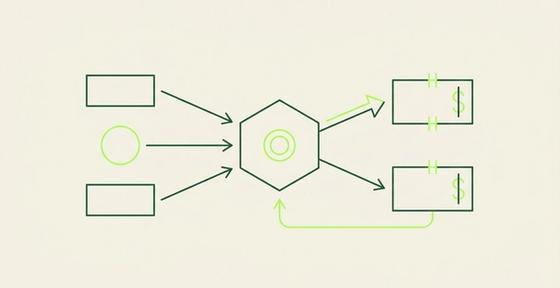
Dries Buytaert: The cost of running multiple CMS platforms
Dries Buytaert argues that running multiple CMS platforms creates hidden operational costs through duplicated integrations, security policies, expertise, and governance. He proposes standardizing on Drupal while using different operating models—SaaS (Acquia Source) for speed and PaaS (Acquia Cloud) for control—to preserve flexibility while reducing fragmentation.